
Turkey Teeth: What the Term Really Means - Myths, Facts and How to Compare Quotes
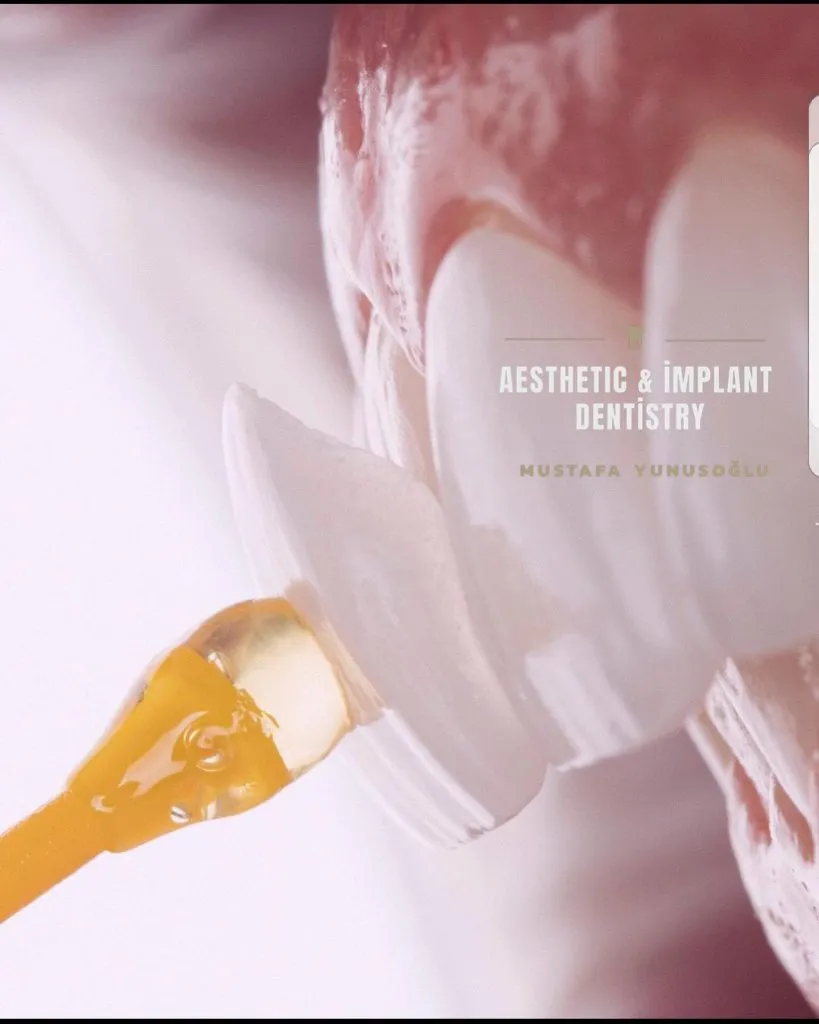
"Turkey Teeth" is the UK media label for over-aggressively filed-down teeth capped with bulky crowns - it describes a bad technique choice, not dentistry in Turkey as a whole. In 2026, a properly planned minimal-prep veneer removes just 0.3‑0.5 mm of enamel.
The phrase exploded on British TikTok and in tabloid headlines, and it deserves an honest answer rather than a defensive one. This guide explains where the term came from, the real clinical difference between aggressive crowns and conservative dental veneers, what good treatment actually costs, and - just as importantly - who should not have cosmetic dental work done at all.
Where Did "Turkey Teeth" Come From?
Around 2021-2022, a wave of UK reality-TV personalities and influencers posted videos of their teeth filed down to small pegs before being covered with full crowns. The clips were shocking, they went viral, and the phrase "Turkey Teeth" stuck as shorthand for a blindingly white, unnaturally uniform smile achieved by grinding down healthy teeth abroad.
Two things in that story are true and worth saying plainly. First, some clinics - in Turkey and elsewhere - did place full crowns on young, healthy teeth purely for cosmetic reasons, which is clinically indefensible. Second, some patients chose the cheapest possible package, skipped the consultation questions, and only learned afterwards what had been done to their enamel. The result was a genuine problem: over-prepared teeth, higher risk of nerve damage and sensitivity, and restorations that will need replacing for the rest of the patient's life.
What the meme gets wrong is the generalisation. The same procedures that go wrong in those videos are performed conservatively every day, in Turkey and everywhere else. The variable is not the country - it is the treatment plan, the amount of tooth removed, and the honesty of the clinic. You can compare what conservative treatment costs on our price list before you ever get on a plane.
Crowns vs Veneers vs No-Prep: The Real Clinical Difference
The entire "Turkey Teeth" controversy comes down to one clinical decision: how much healthy tooth structure is removed. These are three very different procedures that get lumped together online.
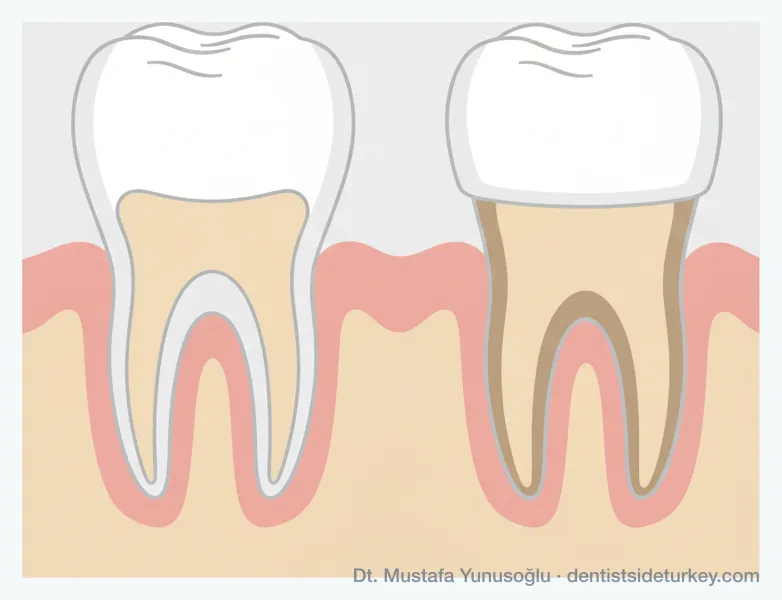
Full Crowns - Legitimate for Damaged Teeth, Wrong for Healthy Ones
A full crown covers the entire tooth, which requires reducing it on all sides - a significant share of the visible tooth structure is removed. That is completely justified when a tooth is broken, root-canal treated, or heavily filled: the crown protects what remains, and a modern zirconia crown typically lasts 15 years or more. Placing full dental crowns on intact, healthy front teeth purely for colour and shape, however, sacrifices enamel that can never grow back. That is the "shaved pegs" image behind the meme.
Minimal-Prep Veneers - 0.3‑0.5 mm, Front Surface Only
A porcelain veneer covers only the front surface of the tooth. Preparation removes just 0.3‑0.5 mm of enamel - roughly the thickness of a fingernail - and the sides and back of the tooth stay untouched. To be clear and honest: even this minimal preparation is irreversible, and any ethical dentist will tell you so before you commit. But the difference in preserved tooth structure between a veneer and an unnecessary full crown is enormous, and it is the difference between the treatment the tabloids filmed and the treatment a careful clinic actually plans.
No-Prep and Additive Options
In selected cases - small teeth, gaps, minor shape corrections - ultra-thin veneers or composite bonding can be placed with little or no drilling at all. Not everyone is a candidate, and promising "no-prep for everyone" is its own red flag, but a good consultation always starts from the most conservative option that achieves the goal.
Myths vs Facts
- Myth: "Turkey Teeth" is what Turkish dentistry produces. Fact: the term describes over-aggressive crown preparation, a technique failure that occurs in any country. Turkey performs hundreds of thousands of conservative treatments a year that never make it to TikTok, precisely because they look natural.
- Myth: a lower quote means corners are cut on your teeth. Fact: the materials (E.max, zirconia) come from the same global manufacturers used in London or Berlin; what differs is clinic overheads, laboratory fees and salaries. Judge a quote by what it names, not by the number.
- Myth: veneers are painless and last forever. Fact: preparation is virtually painless under local anaesthesia, but no restoration is eternal - porcelain veneers typically last 10‑15 years with good care, and ours carry a 5-year written guarantee.
- Myth: you can always go back to your natural teeth. Fact: once enamel is removed - even 0.3 mm - the tooth will always need a restoration. This is exactly why the crown-vs-veneer decision matters so much.
- Myth: a full set of crowns in three days is a sign of efficiency. Fact: ultra-compressed "28 crowns in 72 hours" packages leave no time for proper diagnostics, trial smiles or bite adjustment. Sensible full-smile treatment is planned over adequate time, sometimes two visits.
How to Compare Quotes for Good Treatment
Good cosmetic dentistry is priced by the work it involves, so the only meaningful comparison is between written plans that list the same things: how many teeth are treated, how much tooth each one loses (a veneer removes 0.3‑0.5 mm from the front, a crown 1‑2 mm all round), the material and manufacturer, what is included, and the written guarantee. A quote that does not name these is not comparable with one that does.
We publish no price list; every quote is a written plan based on your photos, within 24 hours. If you are researching a full smile transformation, our Hollywood Smile guide breaks the process down step by step, and the veneers guide covers materials and longevity in detail.
How to Avoid the "Turkey Teeth" Outcome
The bad outcome is avoidable with a handful of direct questions. Ask them of any clinic, in any country:
- Ask for veneers, not crowns, when your teeth are healthy. If a clinic proposes full crowns on intact front teeth "because they last longer", ask why a 0.3‑0.5 mm veneer preparation is not sufficient. A good clinic will justify every millimetre.
- See the prep plan before anything is drilled. Modern clinics show you a digital smile design and a wax-up or mock-up of the final result - and can tell you exactly how much enamel each tooth loses.
- Ask what material will be used. "Porcelain" is not an answer; E.max lithium disilicate and zirconia are. The brand and the laboratory should be named without hesitation.
- Get the guarantee in writing. We provide a written 5-year guarantee on crowns and veneers and a 10-year guarantee on implants. A clinic that offers no written guarantee is telling you something.
- Check verifiable reviews, not just Instagram. Google reviews tied to real profiles are harder to fake than a curated feed. Our clinic holds a 5.0-star rating across 63 Google reviews.
- Distrust extreme speed. A realistic veneer or crown case needs proper diagnostics, laboratory time and a try-in. If the timetable sounds impossible in your home country, it is impossible everywhere.
Why Reputable Turkish Clinics Hate the Term Too
It may surprise UK readers, but nobody dislikes the "Turkey Teeth" label more than established Turkish dentists. Clinics that have spent a decade building an international reputation - ours has treated 1500+ patients from 50+ countries since 2015 - watch a small number of volume-driven operators damage the credibility of an entire profession. The Turkish Dental Association publicly campaigns against over-preparation and misleading advertising for the same reason. When we explain to a patient that they need six veneers rather than twenty crowns, we are not leaving money on the table; we are doing the job properly, and our long-term reputation depends on exactly that.
Already Had "Turkey Teeth"? What Can Still Be Done
Honestly: enamel that has been removed cannot be brought back. But you are not condemned to live with a badly executed result either. Bulky crowns with poor edge fit on over-prepared teeth can be replaced with properly contoured, correctly shaded new crowns that let the gums recover. Where a nerve has been damaged, root canal treatment usually resolves the problem, and a bite that no longer closes properly can be corrected with a re-planned restoration. These correction cases need more planning than aesthetics done from scratch: a panoramic X-ray and a CT scan map the current situation completely, and every tooth is assessed one by one for what can be saved. The expectation needs stating honestly too. The goal is to make the current situation safe, comfortable and easy to maintain, not to return to an untouched tooth. Which is why the best strategy is still the same one: choose conservative treatment the first time.
The numbers behind this, in millimetres and as a share of the tooth, are set out in veneers, crowns or bonding: how much tooth each one removes.
Who Should NOT Have This Done
An honest clinic turns some patients away. You should not have veneers or cosmetic crowns if:
- Your teeth are healthy and well aligned and you only want them whiter. Professional whitening (typically 2‑4 shades in one office session) achieves that without touching your enamel - no drilling required.
- You have untreated gum disease or active decay. These must be resolved first; cosmetics on an unhealthy foundation fail early.
- You grind your teeth heavily and won't wear a night guard. Untreated bruxism chips and debonds porcelain, whatever country it was fitted in.
- You are under 18. Young teeth have large nerves and jaws that are still changing; irreversible cosmetic preparation should wait.
- You expect a "perfect" smile to fix something deeper. Good cosmetic dentistry improves a smile; it does not change a life overnight, and a responsible dentist will say so.
The real dividing line is not Turkey versus the UK - it is conservative, planned dentistry versus aggressive, rushed dentistry. Ask how much tooth structure will be removed, and you will know which side of the line a clinic is on.
This article was written by Dt. Mustafa Yunusoğlu. For an honest assessment of whether veneers, crowns or no treatment at all is right for you, contact us or reach us on WhatsApp at +90 530 575 47 18.
Frequently Asked Questions
What does "Turkey Teeth" actually mean?
It is a UK slang term for teeth filed down to pegs and covered with full crowns, popularised by influencer videos. It describes over-aggressive treatment - a technique failure - not Turkish dentistry in general, and reputable Turkish clinics oppose that approach as strongly as UK dentists do.
Are veneers the same as the crowns in those viral videos?
No. A veneer covers only the front of the tooth and removes just 0.3‑0.5 mm of enamel. A full crown requires reducing the whole tooth on all sides - justified for damaged teeth, but the wrong choice for healthy front teeth wanted only for cosmetics.
Is veneer preparation reversible?
No. Even minimal 0.3‑0.5 mm preparation permanently removes enamel, so the tooth will always need a restoration afterwards. Any honest clinic discloses this before treatment - which is exactly why choosing the most conservative suitable option matters.
How are veneers quoted in Turkey?
In Side, veneers and a full Hollywood Smile are quoted per case, in a written plan that names the material for each tooth and the full amount. Crowns and veneers carry a 5-year written guarantee.
How do I avoid a bad "Turkey Teeth" outcome?
Ask for the most conservative option (veneers, not crowns, on healthy teeth), see the digital smile design and prep plan first, confirm materials such as E.max or zirconia, insist on a written guarantee, and be wary of clinics promising a full set of crowns in two or three days.
Who should not get veneers?
Patients with untreated gum disease or decay, heavy grinders unwilling to wear a night guard, anyone under 18, and people whose teeth are healthy and well aligned - whitening usually achieves their goal with no drilling at all.